UPSC Exam Preparation 2026
UPSC IAS-IPS परीक्षा में सफलता कैसे ?
केवल मेहनत नहीं बल्कि सही और निरंतर अभ्यास : टॉपर्स का मूल मंत्र
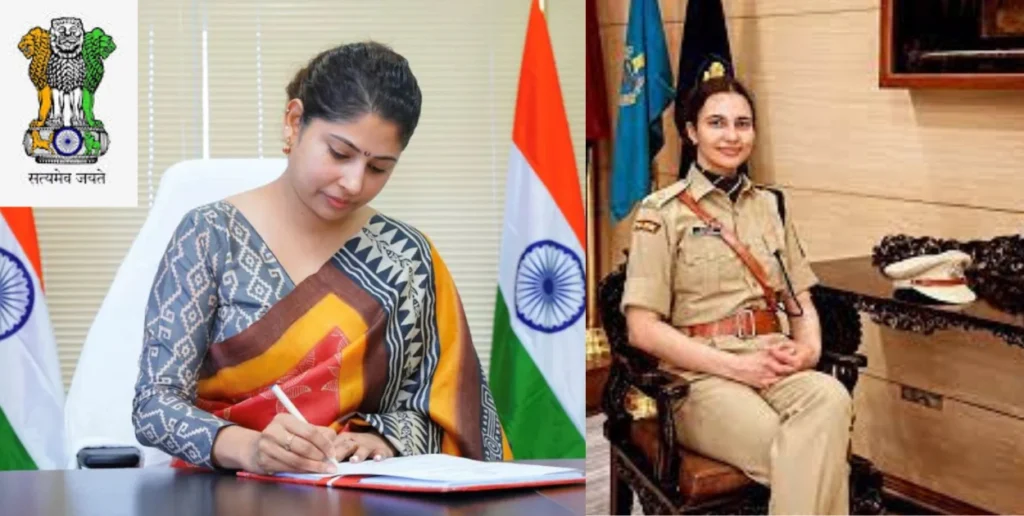
|
अन्य कॉम्पटीटिव परीक्षाओं की तैयारी के लिए सभी विषयों के नोट्स |
10th & 12th परीक्षाओं की तैयारी के लिए सभी विषयों के नोट्स Preparation Notes |
UPSC Exam Preparation-
Discover the ultimate UPSC 2026 preparation guide with proven strategies, real success stories from slum to IAS, and expert tips to ace the Civil Services Exam. Start your journey to becoming an IAS Officer.
Becoming an Indian Administrative Service (IAS) officer is a testament to resilience, determination, and strategic preparation. The UPSC Civil Services Exam is one of the toughest exams in the world, but with the right mindset and plan, anyone can rise from the toughest circumstances to achieve greatness.
This Ultimate UPSC Preparation Guide for 2026 is crafted to inspire and equip aspirants, especially those from underprivileged backgrounds, with practical strategies, real-life success stories, and a roadmap to success.
UPSC Preparation Startegy for beginners 2026
A Roadmap to Success
A well-structured study plan is the backbone of UPSC preparation.
Here’s how to create ‘A Best Statagy’ for UPSC Exam 2026:
Break Down the Syllabus
The UPSC syllabus is vast, covering Prelims, Mains, and the Interview. Divide it into manageable sections:
-
Prelims: General Studies (GS) Paper 1 (History, Geography, Polity, Economy, Environment, Science, Current Affairs) and CSAT (Aptitude).
-
Mains: Four GS papers, Essay, Optional Subject, and Language Papers.
-
Interview: Personality test focusing on communication and analytical skills.
Actionable Tip: Download the official UPSC syllabus from the UPSC website and create a checklist. Allocate 6-8 months for Prelims and 4-6 months for Mains preparation.
Daily Study Routine for UPSC Aspirants
-
Morning: Tackle tough subjects like Polity or History when your mind is fresh (2-3 hours).
-
Afternoon: Focus on Current Affairs and CSAT (2 hours).
-
Evening: Revise notes or practice answer writing (1-2 hours).
-
Breaks: Take 10-minute breaks every hour to stay productive.
UPSC success stories from poor background
UPSC topper strategy : Srushti Jayant Deshmukh (AIR 5, UPSC 2018) followed a disciplined 8-hour daily
study routine, relying heavily on self-study and online resources. Her structured approach helped her clear the
exam in her first attempt without coaching.
Weekly and Monthly Goals
-
Weekly: Cover 2-3 topics per subject (e.g., Indian National Movement, Physical Geography).
-
Monthly: Complete one full subject (e.g., Polity) and take a mock test to assess progress.
Real-Life Success Stories: From Slums to IAS Glory
Inspiration fuels motivation. Here are two remarkable stories of UPSC toppers who rose from adversity to achieve their IAS dreams.
UPSC topper strategy:
Satyam Gandhi – AIR 10, UPSC 2020
Satyam Gandhi, from a small village in Bihar, grew up in challenging circumstances with limited resources. Without coaching, he relied on self-study, NCERT textbooks, and free online resources. His strategy included:
-
Mastering Basics: Focused on NCERTs for a strong foundation.
-
Answer Writing Practice: Wrote daily answers to improve articulation.
-
Consistency: Studied 8-10 hours daily with a clear timetable.
Satyam’s journey proves that determination and smart planning can overcome financial constraints.
UPSC topper strategy:
Tapasya Parihar – AIR 23, UPSC 2017
Tapasya, from a modest background, ditched coaching after a frustrating experience. She designed her own
preparation plan, focusing on:
-
Syllabus Understanding: Deeply analyzed the UPSC syllabus to prioritize topics.
-
Self-Study: Used standard books like M. Laxmikanth for Polity and Bipin Chandra for History.
-
Answer Writing: Practiced writing concise, impactful answers.
Her story highlights the power of self-discipline and independent thinking.
Best books for UPSC preparation 2026: for UPSC Preparation
The right resources can make or break your preparation. Here’s a curated list:
Essential Books:
-
Polity: Indian Polity by M. Laxmikanth
-
History: History of Modern India by Bipin Chandra
-
Economy: Economic Survey by Government of India
-
Geography: Certificate Physical and Human Geography by G.C. Leong
-
Current Affairs: The Hindu newspaper, Other Competitive Exam Preparation magazines,
Online Resources:
-
Testbook: Offers free UPSC notes, mock tests, and current affairs summaries.
-
Sleepy Classes: Provides structured online courses and mock tests for UPSC 2025.
-
YouTube Channels: Follow channels like Unacademy and StudyIQ for daily current affairs updates.
Mock Tests and Answer Writing:
-
Practice with mock tests from platforms like InsightsIAS or VisionIAS.
-
Write 2-3 answers daily for Mains to improve speed and clarity.
Real UPSC topper strategy : Arun Raj (AIR 34, UPSC 2014), an IIT Kanpur graduate, relied heavily on
NCERTs and free online resources, avoiding coaching entirely. His methodical approach to mock tests helped
him excel.
UPSC current affairs preparation strategy
Staying Updated with Current Affairs for UPSC 2026
Current affairs are the backbone of UPSC preparation, especially for Prelims and GS Mains papers.
Effective Strategies:
-
Daily Newspaper Reading: Read The Hindu or Indian Express for 1 hour daily.
-
Magazines: Subscribe to Yojana and Kurukshetra for in-depth analysis.
-
Online Platforms: Follow Testbook’s Current Affairs section for daily updates.
-
Notes: Summarize current affairs in your own words for quick revision.
Actionable Tip: Create a monthly current affairs file organized by topics (e.g., Economy, Environment,
International Relations).
Overcoming Challenges: Tips for Aspirants from Humble Backgrounds
Aspirants from slums or economically weaker sections face unique challenges, but these can be overcome with the right mindset:
-
Financial Constraints: Use free resources like NCERTs, Testbook’s free notes, and YouTube tutorials.
-
Lack of Guidance: Join online forums like UPSCprep.com or follow toppers’ blogs for mentorship.
-
Time Management: Study in short, focused bursts if you have work or family responsibilities.
Self Study UPSC: Santosha H (AIR 753, UPSC 2018), a hearing-impaired aspirant and son of daily
wage laborers, cleared UPSC through self-study. His perseverance and use of free resources show that
limitations can be transcended.
Top Tips to Ace the UPSC 2026 Interview
The interview tests your personality, confidence, and clarity of thought. Here’s how to prepare:
-
Know Yourself: Be clear about your background, hobbies, and optional subject.
-
Stay Updated: Be ready to discuss recent national and international events.
-
Mock Interviews: Practice with platforms like InsightsIAS to build confidence.
Real Example: Anudeep Durishetty (AIR 1, UPSC 2017) scored 204 in the interview by practicing mock interviews and staying calm under pressure.
Your Path to IAS Stardom Starts Now
The journey from a slum to an IAS superstar is not easy, but it’s achievable with discipline, the right resources, and inspiration from those who’ve done it. Start your UPSC 2025 preparation today with a clear study plan, leverage free resources, and stay motivated by stories like Satyam Gandhi and Tapasya Parihar. Your dream of becoming an IAS officer is within reach—take the first step now!
Call to Action: Share your UPSC preparation journey in the comments below or join our community for free study materials and tips!
How to Prepare for UPSC at Home Without Coaching?
Step One– Start with Class 8th Books (Use NCERT books or other Good Books) to upward)
Step Two– Take time to understand Maths and Science Books of 8th and 9-10 Classess
Prepare for All Common mathematical Formulas in Nutshell to solve simple mathematical Questions Quikly.
कुछ गणितीय सूत्र जो अधिकतर आर्ट्स के उम्मीदवारों को भ्रमित कर सकते हैं
OR Common Mathematical Formulas that Confused most of the Candidates
OR Search Formulas of Common Geometric Shapes on Home Page Search Bar
Step Three- Use all Subject Books of Class 10th and 12th Standard ( Specially Maths,English, Science, Social
Science, Hstory, Geography (in Detailed- Political & Natural), Sociology, Political Science and our
Constitution.
Stay consistent:
Step Four- Read more Books on your Main Topics/ Subjects with some Practical studies in General GK Questions.
Step Five- Solve all mathematical questions of class 8th and 10th if Possible. Study History (Indian and International) in Detailed.
Current Affairs Strategy for UPSC 2026:
GK and Current affairs are very important. Understanding what is going on around you Either Political, Economical, Cultural, Natural or Science and Development Fields.
-Read newspaper daily (1 hour),
-Make short notes,
👉 Focus on:
- Economy
- Environment
- International Relations
UPSC Interview Preparation Tips
- Know your background well
- Stay updated with current affairs
- Practice mock interviews
👉 Self Confidence and clarity are key of Success. (While Luck, Over Confidense and Half Information are always looks good but Gutter Hole).
FAQs (SEO BOOST SECTION)
Q1. How to start UPSC preparation 2026?
Start with NCERT books, understand basics, and follow a study plan.
Q2. Can I clear UPSC without coaching?
Yes, many toppers cleared UPSC through self-study.
Q3. How many hours to study for UPSC?
6–8 hours daily with consistency is enough.
Q4. What is the best strategy for UPSC preparation?
Focus on syllabus, current affairs, and answer writing practice.
Conclusion: Start Your UPSC Exam Preparation Journey as early as possible
(From Class 8th or 10th)
UPSC Preparation 2026 requires dedication, smart strategy, and consistency.
With the right study plan, proper resources, and motivation from success stories, anyone can crack the UPSC exam.
👉 Your dream of becoming an IAS officer is achievable — Start today.